
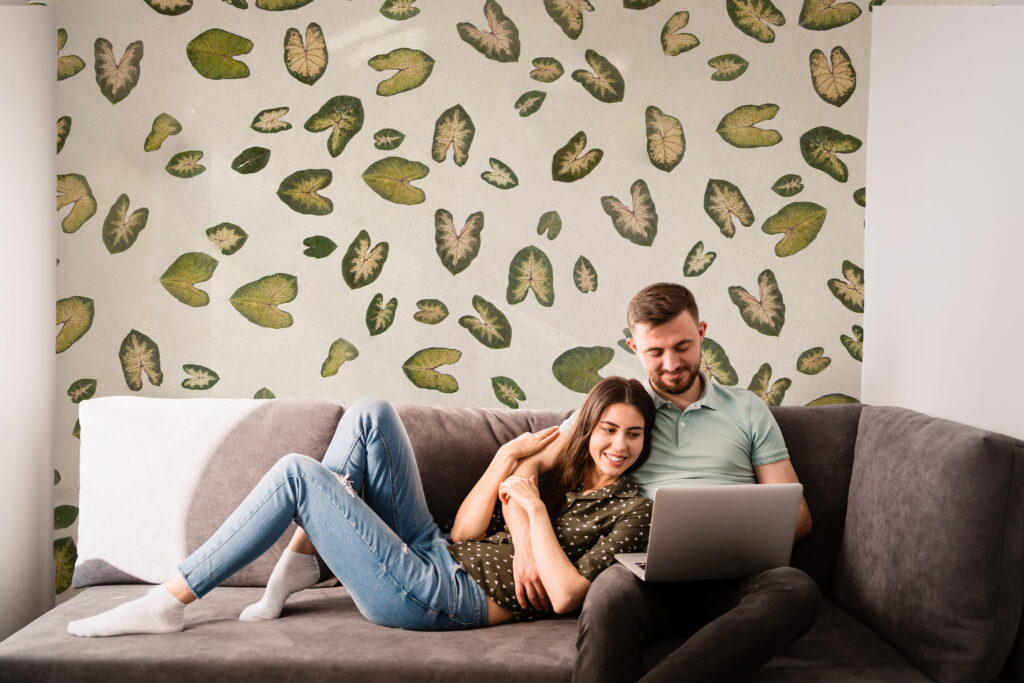
Texture plays a powerful role in interior design. It influences how a space feels, how materials interact with light and how people connect with their surroundings. While colour often leads the first impression, texture gives a scheme depth, tactility and a stronger sense of identity.
For architects, interior designers and specifiers, adding natural detail is not just about creating visual interest. It is about choosing materials that support the function, atmosphere and long-term value of a space. From recycled panels and cork-based surfaces to botanical finishes and bio-based materials, textured surfaces can help interiors feel more considered, engaging and connected to the materials they are made from.
Why Texture Matters in Interiors
A flat surface can feel clean and minimal, but a textured surface can bring warmth, movement and character. This is especially valuable in commercial interiors, where spaces need to feel distinctive while still performing well in daily use.
Texture can soften a workplace, give hospitality interiors a more memorable feel or help retail environments communicate a stronger brand story. A reception desk made from recycled surface material, a cork feature wall or a botanical panel can all create a more meaningful interaction between the user and the space.
The key is to use texture with purpose. The most successful schemes do not rely on every surface competing for attention. Instead, they use material detail in selected areas where it can make the strongest impact.
Start with the Design Intent
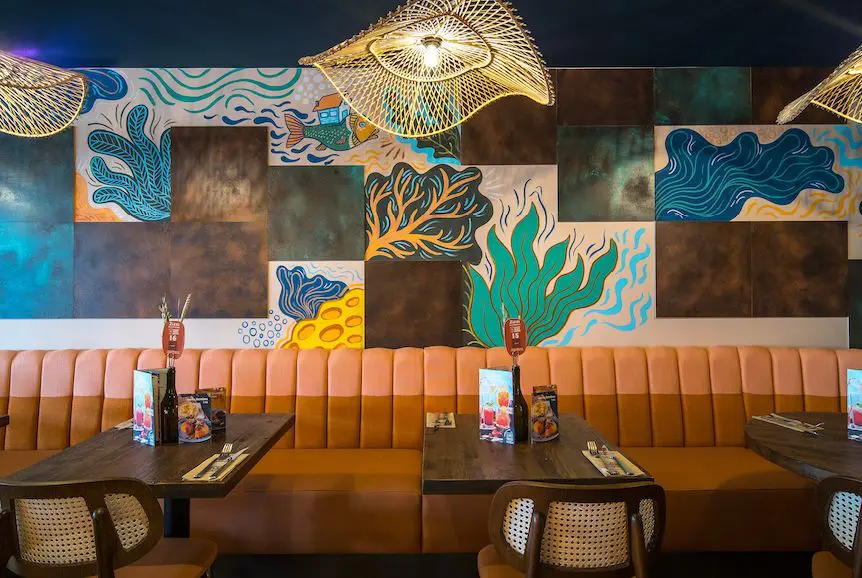
Before selecting a textured surface material, consider the feeling the space needs to create. A calm interior may benefit from subtle natural fibres or soft cork finishes, while a more expressive scheme might call for recycled panels with visible pattern and variation.
Natural detail does not need to feel rustic. Many modern surface materials use organic matter, recycled content or renewable resources in refined and contemporary ways. This allows designers to bring more character into a space without compromising on the overall design language.
Physical samples are essential at this stage. A material may look very different on screen compared with how it appears in real light. Texture, sheen, edge detail and tonal variation are all easier to judge when samples are reviewed alongside other finishes.
Choose Materials that Work for the Application
Texture should always be balanced with performance. A material that works beautifully on a feature wall may not be suitable for a high-use counter, while another surface may be better suited to furniture, joinery or display areas.
Designers should consider how the surface will be used, how often it will be touched and what level of maintenance is expected. In hospitality, retail and workplace settings, durability and cleanability are just as important as appearance.
This is where technical information becomes valuable. Reviewing data sheets, fabrication guidance and application advice helps ensure that the chosen material supports both the creative concept and the practical demands of the project.

Add Natural Detail Through Responsible Material Choices
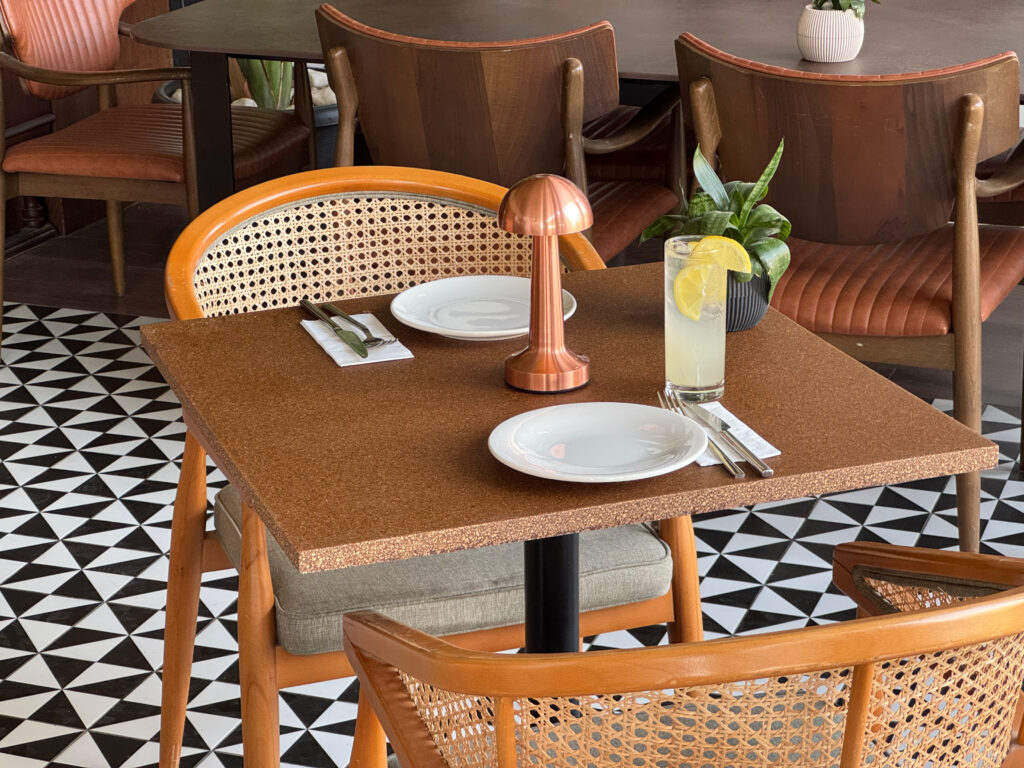
Textured and natural materials can also help support a more responsible approach to specification. Recycled panels show how waste can be transformed into useful, design-led surfaces. Cork-based materials bring natural warmth and tactility into interiors. Bio-based and botanical surfaces can introduce visible organic detail in a subtle and sophisticated way.
These materials give designers an opportunity to make sustainability more tangible. Rather than being hidden in a project document, the material story becomes part of the finished interior.
However, responsible specification should still be practical. The best material choices are those that suit the design, perform well in use and make sense across the lifespan of the project.
Where Textured Surfaces Can Make the Biggest Impact
Textured materials are particularly effective in areas where people interact closely with the space. Reception desks, wall panels, counters, furniture, shelving and display surfaces can all benefit from added material character.
Using texture in these key moments can help create a stronger experience without overwhelming the scheme. A single well-chosen surface can add depth, warmth and distinction, especially when it is supported by simpler surrounding finishes.
How MTRL Library Supports Material-led Design
MTRL Library helps architects, designers, specifiers and makers discover innovative surface materials for interior projects. Its curated collection includes natural, recycled solid surfaces and bio-based options that offer strong visual character alongside practical specification support.
By making it easier to compare samples, explore technical information and understand suitable applications, MTRL Library supports more confident material choices from early concept through to specification.
For designers looking to add texture and natural detail to interior schemes, the right material can do more than complete a finish palette. It can shape the atmosphere of a space, support a stronger design story and help create interiors that feel more thoughtful, tactile and memorable.


