Most materials begin their life in a quarry, a forest, or a factory. This one starts with coffee.
Every year, large volumes of coffee waste are produced across the food and hospitality industry. Much of it ends up discarded, even though it still holds value. What makes materials like KAVA interesting is how that waste is reworked into something functional, considered, and usable in real interior spaces.
This is where waste stops being waste and starts becoming part of the design process.
What is Coffee Waste Material?
Coffee waste material is created by taking used coffee grounds and combining them with natural binders to form solid surface sheets. The result is a durable panel that can be cut, shaped, and applied in a similar way to other interior surface materials.
On MTRL Library, KAVA is presented as a surface that sits between sustainability and usability. It is not a concept material or something experimental. It is designed to be specified, fabricated and installed within real projects.
What stands out is that the material retains a connection to its origin. The colour and texture are not added artificially. They come from the coffee itself, which gives each surface a natural depth that feels different to more uniform materials.
Why Designers are Paying Attention
There has been a shift in how materials are chosen. It is no longer just about how something looks at first glance. There is growing interest in where it comes from, how it is made and what it represents within a space.
Coffee waste surfaces speak to that shift. They offer something familiar but reinterpreted. The finish has a richness that works well in contemporary interiors, while the story behind it adds another layer of meaning.
For designers working on hospitality, retail, or workplace environments, materials like this can become part of the narrative of the space. They give clients something tangible to connect with. A surface is no longer just a surface. It becomes part of a wider idea around sustainability and responsible design.
How it Works in a Space
In practice, coffee-based surfaces behave in a way that feels accessible. They can be used across a range of applications without needing to rethink an entire design approach.
They work well as wall panels where texture and depth can be appreciated up close. They can be introduced into joinery or furniture where a more tactile finish is needed. In smaller moments, such as counters or feature details, they bring contrast without overpowering the overall scheme.
Because the material has a natural variation, it pairs easily with other finishes. It sits comfortably alongside wood, metal and softer materials, which makes it flexible within different design styles.
Featured Materials: Bronze, Husk and Turmeric Husk
Within the KAVA range on MTRL Library, some finishes stand out not just for how they perform, but for how they feel in a space. Bronze, Husk and Turmeric Husk each take the same core material and express it in very different ways.
Bronze brings a deeper, more refined tone. It has a richness that works well in spaces where you want a slightly darker, more grounded finish. The surface carries subtle variation, so it avoids feeling flat or manufactured. In a retail or hospitality setting, it can add weight and contrast without needing additional materials to do the work.
Husk moves in a lighter direction. It feels softer and more neutral, which makes it easier to layer into a wider palette. This is the kind of material that supports a scheme rather than dominating it. It works well where you want texture and warmth without drawing too much attention to a single surface.
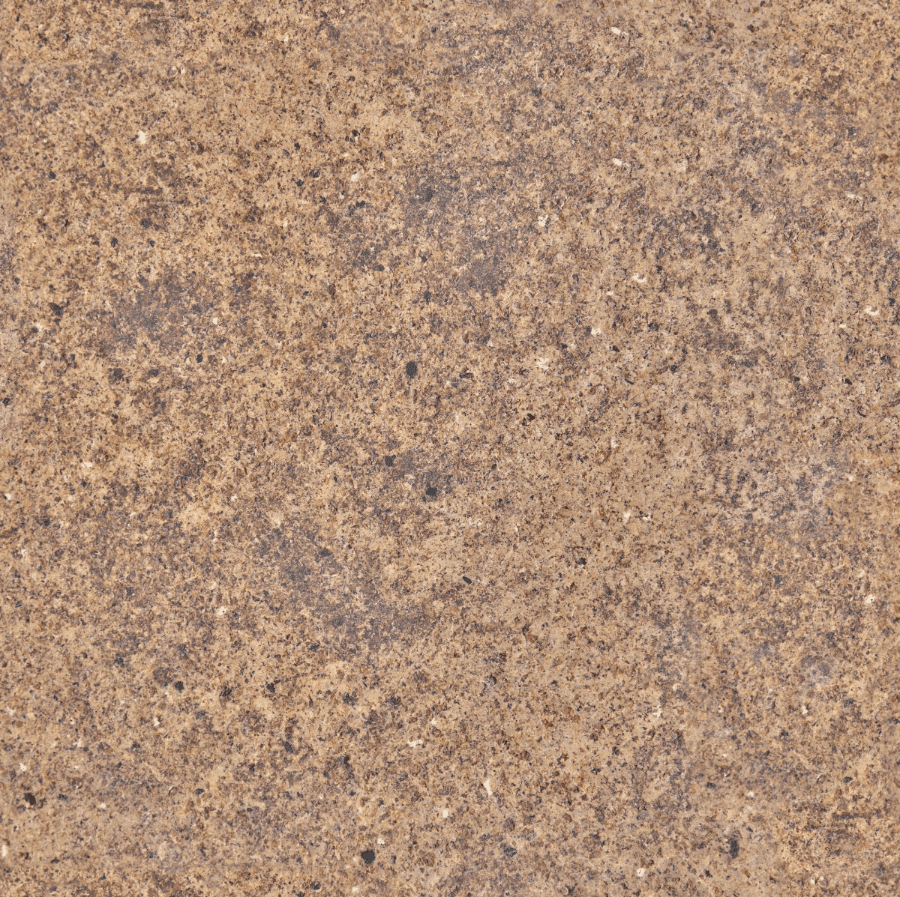
Turmeric Husk is more expressive. It introduces a flecked, terrazzo-like quality that comes directly from the mix of natural waste materials within the surface. The result is more visual movement and a slightly brighter presence. It suits spaces where materials are used to create interest up close, whether that is in feature panels, joinery, or smaller design details.
What ties all three together is the consistency of the base material. Each surface is made from recycled coffee grounds combined with organic waste and bio-based binders, creating a durable sheet that is designed for real interior use. The variation comes through the added natural elements, which means each finish feels distinct while still sitting within the same material family.
For designers, that creates flexibility. You can stay within one material system while still building contrast, layering tones and creating a more considered palette across a space.


A Material that Reflects a Wider Shift
KAVA is not just about coffee waste. It reflects a broader movement towards materials that are sourced more thoughtfully and used with intention.
Designers are starting to look beyond traditional options and explore surfaces that carry a story. That does not mean compromising on quality or usability. It means finding materials that do both.
Platforms like MTRL Library make that process easier by bringing these materials into one place. Instead of searching across multiple suppliers, designers can discover, compare and sample materials in a more straightforward way.
Seeing the Material For Yourself
Images can only go so far. Materials like this are best understood through touch, weight and detail. Seeing how the surface reacts to light or how the texture feels in the hand is what turns interest into a decision.
If you are exploring more sustainable options for an upcoming project, KAVA is worth considering as part of your material palette.
You can explore the full range and order samples directly through MTRL Library KAVA page.
It is a simple way to move from idea to specification with more confidence.