Interior design has always been visual. Colour, form and layout often lead decisions. What is changing now is how much attention is given to how a space actually feels.
Designers are starting to prioritise materials that engage more than just sight. Texture, scent and natural variation are becoming part of the design process. This shift is driving interest in what are often described as sensory materials.
These are materials that you experience, not just look at.
What Are Sensory Materials in Interior Design?
Sensory materials are surfaces that engage touch, smell and visual depth in a more natural way. Instead of relying on printed finishes or uniform patterns, they use real elements such as fibres, leaves or organic matter to create texture and variation.
This creates a more layered experience within a space. Light behaves differently across the surface. Texture can be felt rather than implied. In some cases, there is even a subtle natural scent.
For designers, this offers a way to move beyond flat finishes and introduce something more human into a space.

Why Designers Are Moving Towards More Tactile Surfaces
There is a growing awareness of how environments influence how people feel. In workplaces, hospitality and retail, the focus is shifting towards spaces that feel comfortable and considered.
Flat, synthetic finishes can feel consistent, but they can also feel detached. Sensory materials introduce variation and imperfection, which often makes a space feel more grounded and natural.
This aligns with the wider move towards biophilic design, where natural elements are used to improve the overall experience of a space. Materials play a central role in that. They are one of the first things people notice, even if it is not always conscious.
A Closer Look at Natural Surfaces
One example of this approach can be seen in the Organoid collection on MTRL Library.
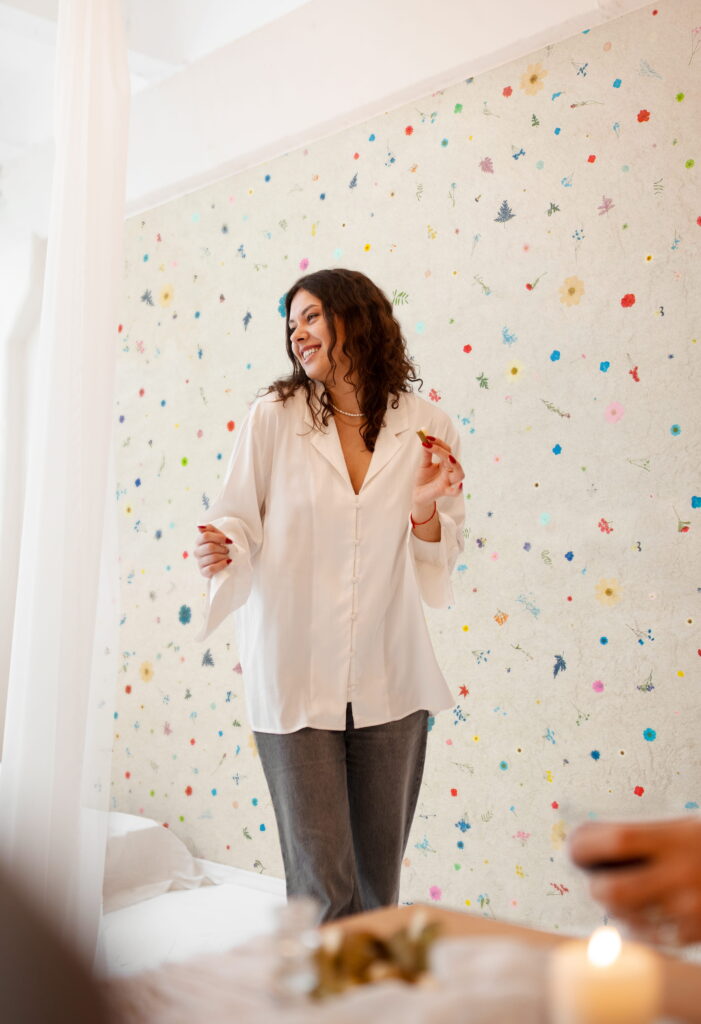
These surfaces are made using real natural materials such as flowers, leaves and grasses that are pressed into a backing to create usable sheets. The result is a finish that carries genuine texture and variation, rather than an imitation of it.
Because the materials are real, each panel has its own character. The way light interacts with the surface changes throughout the day. Up close, the detail becomes more apparent, which adds another layer to how the material is experienced.
This makes them particularly effective in spaces where people spend time and interact with their surroundings. Feature walls, joinery and decorative panels are common applications where the material can be appreciated at both distance and close range.
Featured Materials: Stone Pine Forest, Rosy Everlasting, Hops Gold and Colour Splash
Within the Organoid collection, a few materials stand out for how clearly they show what sensory design can be.
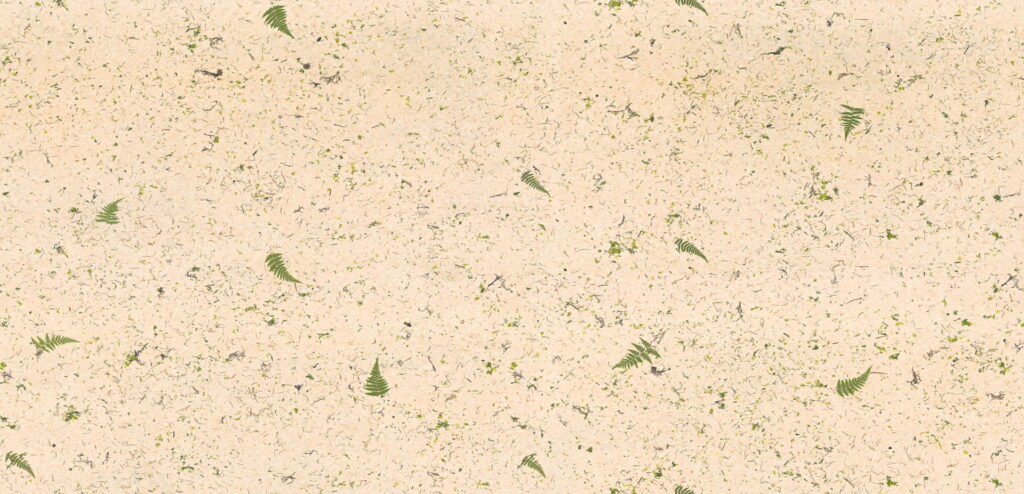
Stone Pine Forest is one of the most immersive. It uses real pine needles to create a surface that feels connected to nature in a direct way. The texture is slightly uneven and layered, which gives it depth up close and a softer, more organic appearance from a distance. It works well in spaces where you want to introduce a calming, grounded atmosphere.
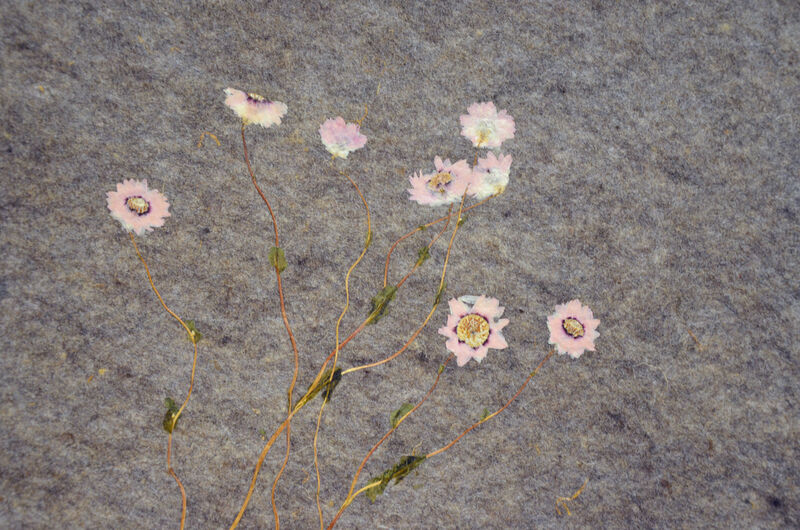
Rosy Everlasting moves in a more delicate direction. Made with real flower petals, it brings a softer visual quality and a sense of detail that changes depending on how you view it. Light catches the surface in subtle ways, which makes it particularly effective in feature areas where people can get closer to the material.
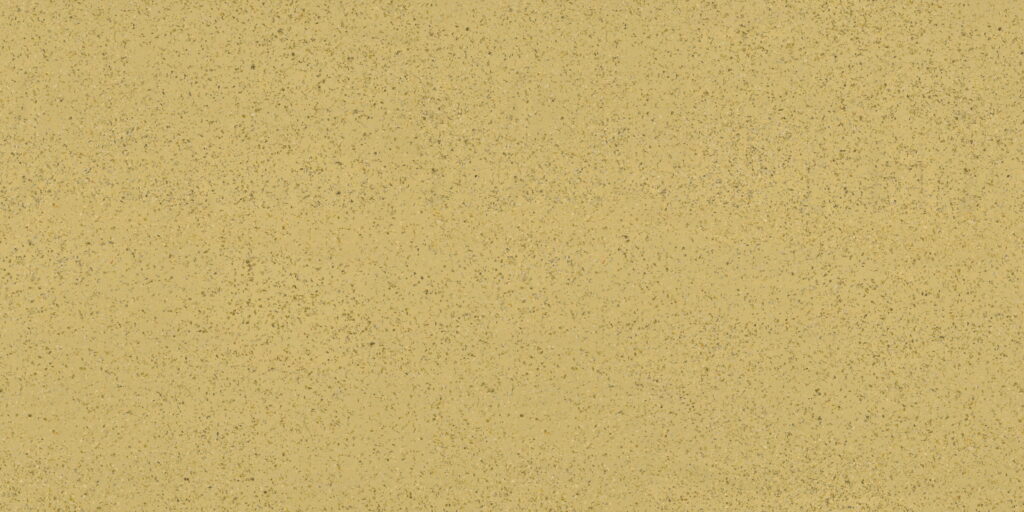
Hops Gold has a warmer, more tactile feel. The use of natural plant material creates a richer tone with a slightly golden hue. It can add warmth to a space without relying on colour alone, making it useful in interiors that need texture but still want to stay within a restrained palette.
All of these materials are part of the same approach. They use real, natural elements to create surfaces that feel genuine rather than replicated. That consistency makes it easier to build a palette where materials relate to each other while still offering contrast and variation.
Where Sensory Materials Work Best
In practice, sensory materials are often used to create moments within a space rather than covering every surface. A feature wall in a hospitality setting can introduce warmth and texture. In a workplace, they can soften more structured environments. In retail, they can draw attention and create a more memorable experience.
They also work well when combined with more restrained materials. Pairing them with wood, stone or metal allows the texture to stand out without overwhelming the design.
What matters is how they are used to support the overall feel of the space, not just how they look in isolation.
Supporting Better Material Decisions
For designers and specifiers, working with sensory materials often comes down to access and understanding. Seeing a material online is useful, but it rarely tells the full story.
Being able to compare samples, understand how they behave and see how they sit alongside other materials is what supports confident decisions. This is where platforms like MTRL Library become valuable.
By bringing together a curated range of materials, including natural surfaces like Organoid, it becomes easier to explore options without needing to navigate multiple suppliers. This saves time and allows for a more considered approach to material selection.


A Shift That Is Here to Stay
The move towards sensory materials reflects a broader change in design thinking. Materials are no longer just functional or decorative. They are part of how a space is experienced on a deeper level.
Natural surfaces that engage touch and sight are becoming more relevant as designers look to create spaces that feel more connected and less artificial.
If you are exploring ways to introduce more depth and texture into your projects, it is worth taking a closer look at materials that offer more than a visual finish, like Organoid Natural Surfaces.
You can explore natural surface options and request samples through MTRL Library. Seeing and feeling the material in person is often what brings the idea to life.